A reverse drawing is another name for a reverse raffle -- a fundraising event where ticket numbers are eliminated one by one until the last ticket standing wins the grand prize.
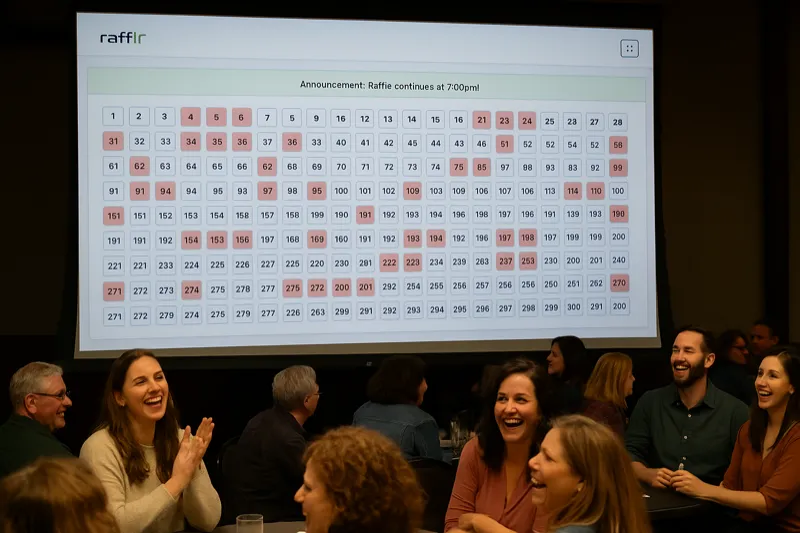
Is a Reverse Drawing the Same as a Reverse Raffle?
Yes. A reverse drawing and a reverse raffle are the exact same event format. The term you hear depends mostly on where you live. "Reverse raffle" is the most widely used name across the United States, while "reverse drawing" tends to appear in certain regions and among organizations that emphasize the drawing aspect of the event.
You may also hear it called a "drawdown" in the Gulf South states like Louisiana, Mississippi, and Texas. Some groups call it a "last man standing raffle" because the final ticket holder is the winner. Regardless of the name, the rules and format are identical. For a deep dive into the format, read the full guide to reverse raffles.
How Does a Reverse Drawing Work?
The process is straightforward, though it flips the logic of a traditional raffle. Instead of drawing a winner, you draw losers until only one ticket remains.
- Sell a limited number of tickets. Most reverse drawings sell between 100 and 300 tickets at a higher price point than a standard raffle -- typically $50 to $200 each. This keeps the crowd manageable and the prize pool substantial.
- Gather ticket holders at the event. Reverse drawings are live events. Attendees need to be present (or have a representative) to participate in buy-back rounds and side pots.
- Eliminate tickets one at a time. A number is drawn and that ticket is out. The process continues, often with pause points for dinner, drinks, side games, and consolation prizes.
- Award the grand prize to the last ticket. The final remaining ticket wins the top prize, which can range from $1,000 to $10,000 or more depending on ticket sales.
Many organizations add a "buy-back" option where eliminated ticket holders can pay a fee to re-enter the drawing. This creates an additional revenue stream and keeps everyone engaged throughout the evening. For a complete planning walkthrough, see our guide to organizing a raffle.
Why Organizations Choose Reverse Drawings
Reverse drawings have become a go-to fundraiser for schools, churches, fire departments, and nonprofits. Here is why they work so well:
- Higher revenue per ticket. Because tickets are priced at $50 or more and include event admission, a 200-ticket reverse drawing can gross $10,000 or more before food and prizes.
- Built-in entertainment. The slow elimination format creates natural suspense. Attendees stay engaged for hours, which is hard to achieve with a standard raffle.
- Sponsor visibility. The extended event gives sponsors prime exposure time. Many organizations sell table sponsorships or display sponsor logos between rounds.
- Community building. Reverse drawings are social events first and fundraisers second. They bring people together for an evening of fun while raising money for a cause.
- Buy-back revenue. The option for eliminated participants to buy back into the drawing adds a secondary income stream that can increase total revenue by 20-30%.
Before planning your event, make sure to check the raffle laws in your state to confirm your organization qualifies and understands any reporting requirements.
See rafflr in Action
Watch a 2-minute demo of how easy it is to create and run a reverse raffle with rafflr
Running a Reverse Drawing with Software
You can keep the tradition of pulling physical tickets without tracking every elimination on a whiteboard. With Rafflr's barrel draw software for reverse raffles, enter each ticket number as it leaves the barrel and let the live presenter board follow along. Select Barrel Draw in the app to use this method.
Prefer the software to select numbers? Rafflr Random Draw also offers manual pulls and Auto Pull at your chosen pace. Either drawing method can use the full-screen presenter board, sponsor overlays, and announcements while you focus on hosting the event.
Whether you call it a reverse drawing, reverse raffle, or drawdown, the right software turns a logistically complex event into something anyone can run with confidence.