Wrestling programs face unique financial challenges with expensive mats, specialized equipment, and intensive travel schedules that can cost $20,000-50,000 annually. From high school teams needing new wrestling mats to college programs funding national tournament travel, strategic fundraising determines whether wrestlers can compete at their full potential in 2026 and beyond. These 15 proven wrestling team fundraising strategies will help your program pin down the resources needed for championship success.
Understanding Wrestling Program Financial Needs
Wrestling programs require substantial investment in specialized equipment, facility maintenance, and competitive opportunities that distinguish the sport from other athletics. Like other sports team fundraising programs, wrestling teams benefit from combining multiple revenue streams to cover these costs.
Annual Wrestling Team Expenses
- Equipment and Mats ($12,000-25,000): Wrestling mats, headgear, singlets, shoes, and practice gear
- Travel and Tournaments ($8,000-30,000): Transportation, lodging, meals, and tournament entry fees
- Training and Coaching ($3,000-15,000): Coaching salaries, clinics, and specialized training camps
- Facilities and Maintenance ($2,000-10,000): Mat storage, cleaning, and wrestling room upkeep
- Medical and Safety ($1,500-5,000): Athletic trainers, medical supplies, and injury prevention
1. Wrestling Tournament Hosting Revenue
Host invitational wrestling tournaments where entry fees, concessions, and merchandise sales create multiple revenue streams while providing valuable competition experience.
Tournament Revenue Strategies:
- Team Entry Fees: $200-500 per team depending on tournament prestige
- Individual Entry Fees: $50-150 per wrestler for individual tournaments
- Spectator Admission: $10-20 per person for championship sessions
- Concession Sales: Food, beverages, and wrestling-themed merchandise
- Sponsorship Opportunities: Mat sponsorships and tournament naming rights
Expected Results: Well-executed tournaments typically generate $8,000-20,000 net profit depending on participation and additional revenue streams.
2. Wrestling Technique Clinic Series
Leverage your coaching staff's expertise to offer specialized wrestling clinics for youth and high school wrestlers throughout your region.
Clinic Format Options
- Youth Development Camps: Summer programs for elementary and middle school wrestlers ($150-300 per participant)
- Advanced Technique Workshops: Specialized move clinics for experienced wrestlers ($75-150 per session)
- Coaching Clinics: Training programs for youth and high school coaches ($200-400 per coach)
- Parent Education Sessions: Wrestling basics for parents new to the sport ($25-50 per family)
Expected Results: Monthly clinic series typically generate $5,000-15,000 annually while building program visibility and recruiting pipelines.
See rafflr in Action
Watch a 2-minute demo of how professional raffle software makes wrestling team fundraising events run smoothly and efficiently
3. Wrestling Equipment Sponsorship Program
Create structured sponsorship packages allowing local businesses to support specific equipment needs while gaining visibility within the wrestling community.
Sponsorship Tiers:
- Mat Sponsor ($10,000): Full wrestling mat replacement with permanent facility signage
- Team Sponsor ($5,000): Complete team singlet package with logo placement
- Tournament Sponsor ($2,500): Annual tournament sponsorship with naming rights
- Equipment Sponsor ($1,000): Headgear, shoes, or training equipment with team recognition
- Travel Sponsor ($500): Support for specific tournament travel with social media recognition
Expected Results: Comprehensive sponsorship programs typically generate $20,000-40,000 annually from 10-20 local business sponsors.
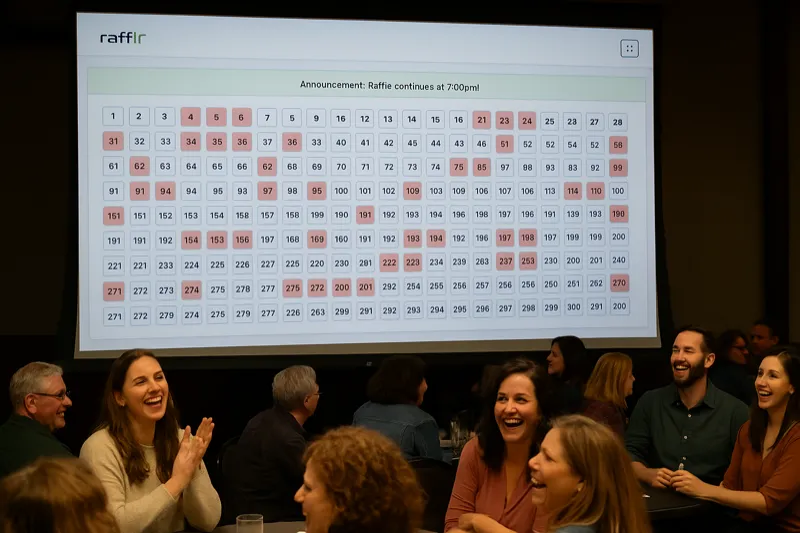
4. Wrestling Reverse Raffle Championships
Design wrestling-themed reverse raffles that appeal to the wrestling community's competitive nature and strong family support networks. If you are new to running raffles, our guide on how to organize a raffle covers the planning essentials from start to finish.
Wrestling-Themed Prize Packages:
- Grand Prize: $10,000 cash plus wrestling camp scholarship
- Runner-Up Prizes: Premium wrestling shoes and gear packages
- Elimination Prizes: Local restaurant gift certificates and wrestling merchandise
- Final Four Prizes: Wrestling clinic sessions with former collegiate champions
Professional raffle management software ensures smooth execution while maintaining participant engagement throughout the event.
Expected Results: Wrestling reverse raffles typically raise $15,000-35,000 with 300-600 participants paying $50-100 per ticket. Not sure what to charge? See our breakdown on how to price raffle tickets for maximum revenue.
5. Alumni Wrestling Network Fundraising
Engage former wrestlers who often maintain strong emotional connections to their wrestling programs and understand the sport's financial needs.
Alumni Engagement Strategies
- Alumni vs. Current Team Match: Exhibition matches with ticket sales and reunion activities
- Hall of Fame Induction: Annual ceremonies recognizing outstanding alumni with fundraising component
- Legacy Equipment Funds: Alumni-sponsored equipment replacement programs
- Mentorship and Career Support: Alumni provide guidance while supporting current program needs
- Coaching and Instruction: Former wrestlers return as volunteer coaches and clinic instructors
Expected Results: Active alumni networks typically contribute $10,000-30,000 annually through various engagement activities and direct donations.
6. Corporate Wrestling Challenge Events
Organize corporate team building events featuring wrestling-inspired challenges and competitions that introduce businesses to wrestling while generating program support.
Event Components
- Team Building Challenges: Wrestling-based team building activities for corporate groups
- Wrestling Demonstrations: Current team members demonstrate techniques and compete in exhibitions
- Corporate Sponsorship Opportunities: Business networking combined with program support
- Employee Fitness Programs: Wrestling-based fitness and conditioning classes
Expected Results: Corporate wrestling challenges typically generate $5,000-15,000 per event while building business community relationships.
7. Wrestling Merchandise and Apparel Sales
Develop comprehensive merchandise programs that generate revenue while building program pride and community visibility.
Product Categories
- Performance Apparel: Team-branded practice gear, warm-ups, and competition wear
- Fan Merchandise: Hats, t-shirts, hoodies, and casual wear for supporters and families
- Wrestling Accessories: Water bottles, gym bags, and wrestling-themed items
- Commemorative Items: Tournament championship gear and milestone celebration merchandise
Expected Results: Comprehensive merchandise programs typically generate $6,000-18,000 annually with strong profit margins and ongoing revenue potential.
8. Wrestling Training Camp Partnerships
Partner with established wrestling facilities and coaches to create revenue-sharing summer camps and training programs.
Camp Program Development
- Intensive Training Camps: Multi-day programs focusing on technique and conditioning
- Beginner Introduction Camps: Programs designed to introduce new wrestlers to the sport
- Advanced Competition Camps: Elite-level training for experienced wrestlers
- Coaching Development Programs: Training for youth and volunteer coaches
Expected Results: Summer camp partnerships typically generate $8,000-20,000 for wrestling programs while building recruitment and community connections.
"Wrestling programs that engage their alumni networks and leverage the sport's tight-knit community consistently outperform teams that rely solely on traditional fundraising approaches." - National Wrestling Coaches Association
9. Wrestling Fitness and Conditioning Services
Offer wrestling-based fitness programs to community members while generating revenue and showcasing program expertise.
Fitness Program Options
- Adult Wrestling Fitness: Conditioning classes using wrestling-based exercises
- Youth Athletic Development: Wrestling-inspired training for multi-sport athletes
- Personal Training Services: One-on-one training with wrestling team members
- Corporate Wellness Programs: Workplace fitness programs based on wrestling conditioning
10. Wrestling Equipment Rental and Services
Provide equipment rental and maintenance services to youth programs and other teams while generating ongoing revenue.
Service Offerings
- Mat Rental: Portable wrestling mats for youth programs and tournaments
- Equipment Packages: Complete gear rental for new wrestlers
- Maintenance Services: Mat cleaning, repair, and storage services
- Tournament Setup: Professional tournament organization and management services
11. Restaurant Spirit Nights
Partner with local restaurants to host spirit nights where a percentage of sales (typically 15-25%) goes directly to the wrestling program. These require almost no volunteer effort beyond promotion.
How to Maximize Spirit Night Revenue
- Schedule Strategically: Book spirit nights after home matches or dual meets when families are already together and hungry
- Rotate Restaurants: Partner with a different restaurant each month to avoid donor fatigue and expand your reach
- Promote on Social Media: Share flyers and event details across team group chats, Instagram, and Facebook pages
- Include the Whole Community: Encourage extended family, friends, and alumni to attend for broader participation
Expected Results: Individual spirit nights generate $300-800, but running one monthly throughout the season can add $2,000-6,000 to the program budget with minimal effort.
12. Wrestling Car Wash and Service Days
Wrestlers are among the most conditioned athletes in any school, making physical service fundraisers a natural fit. Organize car washes, yard work days, or community service-for-donation events.
- Car Wash Events: Set up at a visible location on a Saturday morning; charge $10-20 per vehicle
- Yard Work Crews: Offer fall leaf cleanup or spring lawn services for $50-150 per property
- Moving and Hauling: Teams can offer moving help or junk hauling for donations
Expected Results: Service fundraisers typically raise $1,500-4,000 per event and double as team bonding experiences that build camaraderie.
13. Online Crowdfunding Campaigns
Launch targeted crowdfunding campaigns for specific needs like new mats, tournament travel, or training camp scholarships. Platforms like GoFundMe and Snap! Raise make it easy to share campaigns across social media and email.
Crowdfunding Best Practices
- Tell a Specific Story: "Help us replace 15-year-old wrestling mats" is more compelling than "support our team"
- Set Clear Goals: Break large needs into smaller, achievable milestones
- Share Regular Updates: Post progress photos and thank donors publicly to encourage more giving
- Leverage Wrestler Videos: Have team members record short personal appeals explaining what the funds mean to them
Expected Results: Well-promoted crowdfunding campaigns raise $3,000-12,000 depending on network size and story strength.
14. Pancake Breakfast and Pasta Dinner Events
Food-based fundraisers are a staple for wrestling programs because they align naturally with the sport's culture around nutrition, weight management, and team meals. Host a pre-match pancake breakfast or post-tournament pasta dinner open to the community.
- Pancake Breakfasts: Charge $8-12 per plate; host at the school cafeteria or a local venue
- Pasta Dinners: Serve a full carb-loading meal before a big match for $10-15 per plate
- Add a Silent Auction: Pair the meal with donated items and gift baskets to boost revenue
- Sell Tickets in Advance: Pre-selling guarantees a headcount and reduces waste
Expected Results: Food events typically raise $2,000-6,000 per event with strong community attendance.
15. Youth Wrestling League Partnership
Establish a feeder program by partnering with or creating a youth wrestling league. This builds the pipeline of future wrestlers while generating revenue through registration fees, gear sales, and parent engagement.
- Registration Fees: Charge $75-200 per wrestler for a 10-12 week season
- Gear Packages: Offer bundled equipment purchases at a markup for convenience
- Volunteer Coaching: Use varsity wrestlers as coaches, giving them leadership experience while keeping costs low
- End-of-Season Tournament: Host a youth championship event with spectator admission and concessions
Expected Results: Youth league partnerships generate $5,000-15,000 annually while creating a sustainable recruiting pipeline that strengthens the program for years to come.
Why Wrestling Teams Love Reverse Raffles
Among all the fundraising options available, reverse raffles have become a standout favorite for wrestling programs across the country. The format aligns perfectly with the wrestling community's culture and values.
The Perfect Match for Wrestling Culture
Wrestling is built on head-to-head competition, elimination brackets, and the thrill of being the last one standing. A reverse raffle mirrors that exact energy. Instead of drawing a winner first, tickets are eliminated one by one until a single holder remains, keeping the entire room engaged from start to finish.
High Revenue, Tight-Knit Community
Wrestling families are famously loyal and well-connected. When a booster club promotes a reverse raffle, word spreads fast through the wrestling room, alumni networks, and parent group chats. That tight community translates directly into strong ticket sales and high event attendance.
Easy to Run with the Right Software
The biggest barrier to hosting a reverse raffle used to be logistics: tracking tickets, managing eliminations, and keeping the audience informed. With professional raffle software built for sports teams, the entire process is automated. Coaches and booster club parents can focus on the event experience instead of manual number tracking.
Wrestling programs that have switched from traditional raffles to reverse raffles consistently report 2-3x higher revenue per event, largely because the format keeps attendees in their seats spending money on food, drinks, and side games throughout the evening.
Implementation Strategy for Maximum Success
Successful wrestling fundraising programs typically implement multiple strategies simultaneously, taking advantage of the sport's passionate community support and strong family involvement.
Wrestling-Specific Success Factors
- Community Engagement: Wrestling families form tight-knit support networks ideal for fundraising
- Seasonal Timing: Plan major fundraising events during peak wrestling season for maximum visibility
- Alumni Connection: Former wrestlers often maintain lifelong connections to their programs
- Multi-Generational Support: Wrestling families often span multiple generations with shared program loyalty
2026-2027 Fundraising Calendar
- Pre-Season (August-October): Equipment sponsorships and clinic series launch
- Early Season (November-December): Tournament hosting and reverse raffle events
- Peak Season (January-February): Alumni events and major sponsorship activations
- Post-Season (March-May): Awards recognition and next season planning
- Off-Season (June-July): Summer camps and equipment services
Ready to Pin Down Wrestling Fundraising Success?
Join championship wrestling programs using professional raffle software to maximize fundraising results and build stronger team support.
Get Started with rafflr30-day refund policy on all plans