Reverse raffles have become one of the most popular fundraising formats across the country. If you are not familiar with what a reverse raffle is, the short version is that tickets are eliminated one by one until a single winner remains. These events draw enthusiastic crowds at churches, schools, fire departments, and nonprofits every weekend. Whether you are searching for a reverse raffle event near you to attend or thinking about hosting one for your organization, this guide covers everything you need to know to get started.
What Happens at a Reverse Raffle Event
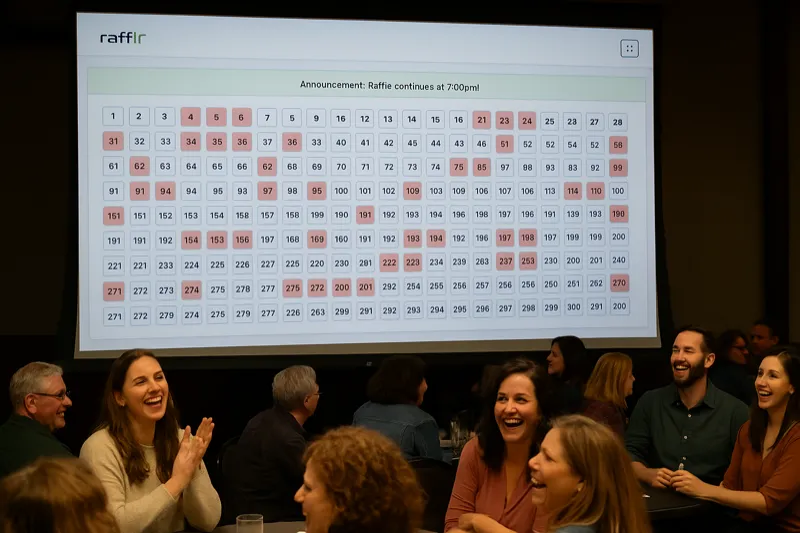
If you have never attended a reverse raffle before, the concept is simple but surprisingly exciting. Every attendee purchases a numbered ticket, and instead of drawing one winner, the host draws tickets to eliminate participants one by one. The last ticket remaining wins the grand prize, which is often several thousand dollars or a significant item like a vacation package.
Most reverse raffle events are full evening affairs that include dinner, drinks, side games, and plenty of socializing before the main drawing even begins. Think of it as part dinner party, part game show. The drawing itself usually takes 30 to 60 minutes depending on the number of tickets sold, and the room gets louder and more intense as the field narrows.
Many events also include optional add-ons like side boards, 50/50 drawings, and auction items to boost fundraising totals. Some hosts offer eliminated players the chance to buy back in, which adds another layer of strategy and excitement.
Where to Find Reverse Raffle Events Near You
Reverse raffles happen year-round in communities across the United States, but they tend to peak in fall and winter when organizations ramp up their fundraising efforts. Here are the best places to find events happening in your area.
Nonprofits and Charities
Local nonprofits are the most frequent hosts of reverse raffle events. Organizations like the American Legion, VFW posts, Rotary clubs, and Kiwanis chapters run them regularly. Check their websites and social media pages for upcoming event announcements, or simply call and ask if they have any reverse raffles on the calendar.
Churches and Religious Organizations
Church reverse raffles are a staple in many communities, particularly in the Midwest and Northeast. Parish festivals, men's clubs, and women's guilds frequently organize these events as their primary annual fundraiser. Your local diocese or church bulletin board is a great starting point.
Schools and PTAs
School booster clubs, PTAs, and athletic departments use reverse raffles to fund everything from new playground equipment to team travel expenses. Even if you do not have children at the school, these events are often open to the public and welcome community participation.
Fire Departments and First Responders
Volunteer fire departments are legendary for their reverse raffle events. These organizations often have deep community roots and put on some of the best-attended reverse raffles you will find. Many fire department raffles have been running annually for decades and sell out quickly.
Online Event Listings
For a broader search, try these platforms:
- Facebook Events: Search "reverse raffle" plus your city or county name. Many organizations promote their events exclusively through Facebook.
- Eventbrite: Search for reverse raffle events in your area. Some organizations sell tickets directly through the platform. You can also explore online raffle options if no local events are available.
- Local newspaper event calendars: Community newspapers often list fundraising events for free.
- Nextdoor: Neighbors frequently share information about local reverse raffle events in community posts.
See rafflr in Action
Watch a 2-minute demo of how easy it is to create and run a reverse raffle with rafflr
What to Expect as an Attendee
Attending your first reverse raffle can feel a little overwhelming if you do not know what to expect. Here is a typical timeline for a reverse raffle evening.
Arrival and social hour (6:00 - 7:00 PM): Most events start with a cocktail hour or social period. This is when you check in, receive your ticket number, and browse any silent auction items or side games.
Dinner (7:00 - 8:00 PM): A sit-down dinner is included with almost every reverse raffle ticket. Meals range from casual buffets to catered multi-course dinners depending on the ticket price and venue.
The main drawing (8:00 - 9:00 PM): This is the main event. An emcee draws ticket numbers one at a time, and eliminated participants are announced. Some events display numbers on a screen so everyone can follow along in real time.
Final rounds and prize awards (9:00 - 9:30 PM): As the drawing narrows to the final 10 or 20 tickets, the tension peaks. Some events offer consolation prizes along the way, and the last remaining ticket holder claims the grand prize.
Ticket Prices and What They Include
Reverse raffle tickets typically cost between $50 and $200 per person, though premium events can go higher. Most tickets include dinner, drinks, and entry into the main drawing. Some events sell tables of 8 or 10 at a slight discount, making it easy to attend with a group of friends.
How to Host Your Own Reverse Raffle Event
If you are part of an organization looking to raise money, a reverse raffle is one of the most reliable and repeatable fundraising formats available. Our detailed guide on how to run a reverse raffle covers the full process, but here is a high-level overview of what it takes to put one together.
Set Your Goals and Budget
Start by determining how much you want to raise and work backward from there. A typical reverse raffle with 200 tickets at $100 each generates $20,000 in gross revenue. After expenses for the venue, food, drinks, and prizes, most organizations net 50 to 70 percent of ticket sales.
Choose a Venue and Date
Banquet halls, fire halls, hotel ballrooms, and community centers are the most common venues. Book early, especially for popular fall and winter dates. Friday and Saturday evenings work best, and avoid scheduling conflicts with major holidays or local sporting events.
Plan the Details
A successful reverse raffle event requires attention to several key areas:
- Grand prize: Cash prizes of $5,000 to $10,000 are the most popular, but vacations, vehicles, and experience packages also work well.
- Side games: Add revenue with 50/50 drawings, side boards, wine pulls, and basket raffles.
- Food and beverage: Open bars increase ticket value perception, but cash bars reduce overhead.
- Entertainment: A skilled emcee makes or breaks the drawing. Choose someone energetic and comfortable with a microphone.
- Technology: Using a dedicated raffle app to manage ticket numbers and display eliminations in real time keeps the audience engaged and the event running smoothly.
Promote and Sell Tickets
Start selling tickets at least 6 to 8 weeks before the event. Use social media, email lists, flyers at local businesses, and word of mouth. Personal outreach from committee members is consistently the most effective sales channel. Create urgency by advertising a limited number of tickets and promoting early-bird pricing.
Popular Organizations That Run Reverse Raffles
Reverse raffles work for nearly any organization, but some groups have turned them into signature annual events that their communities look forward to every year.
- Volunteer fire departments: Often the longest-running and best-attended events in small towns.
- Catholic parishes: Church reverse raffles are a tradition in many communities, often coinciding with parish festivals.
- Youth sports organizations: Baseball, football, and hockey leagues use reverse raffles to fund equipment and travel.
- Fraternal organizations: Elks, Moose, Eagles, and Knights of Columbus lodges are frequent hosts.
- School booster clubs: Fund band trips, theater programs, and athletic facilities.
- Animal rescues and shelters: Combine reverse raffles with adoption events for maximum community engagement.
- Veterans groups: VFW and American Legion posts use reverse raffles to support veteran services.
Tips for Making Your Reverse Raffle Stand Out
With so many fundraising events competing for attention, your reverse raffle needs to offer something memorable. Here are proven ways to differentiate your event.
Theme Your Event
A themed reverse raffle gives people an extra reason to attend. Casino nights, decades themes, masquerade balls, and seasonal themes like Oktoberfest or holiday galas add visual appeal and create shareable social media moments that promote future events organically.
Upgrade the Experience
Small touches make a big difference. Professional decorations, quality food, a live DJ or band between drawing rounds, and photo booths elevate the evening from a simple fundraiser to an event people genuinely want to attend. The goal is to make attendees feel like the ticket price was worth it even before the drawing begins.
Use Technology to Build Excitement
Displaying ticket eliminations on a large screen in real time transforms the drawing from a simple number-reading exercise into a visual spectacle. Modern reverse raffle software shows remaining tickets in a grid format that shrinks as numbers are called, creating a dramatic visual countdown that keeps the entire room engaged.
Offer Buy-Back Opportunities
Allowing eliminated players to buy back into the raffle for an additional fee accomplishes two things: it raises more money for your cause and keeps people invested in the outcome even after their original ticket is drawn. Many events generate 10 to 20 percent of additional revenue from buy-backs alone.
Build a Tradition
The most successful reverse raffle events are the ones that happen every year. Consistency builds anticipation, and past attendees become your best marketing channel. Announce next year's date before guests leave, and offer early-bird ticket sales to returning attendees to lock in repeat participation.
Ready to Get Started?
Whether you are looking for a reverse raffle event to attend this weekend or planning to host one for your organization, the reverse raffle format delivers excitement, community connection, and serious fundraising results. The format has stood the test of time because it works, bringing people together around a shared experience that is equal parts suspense, socializing, and supporting a good cause.
Ready to host a reverse raffle event your community will never forget?
Get Started Today